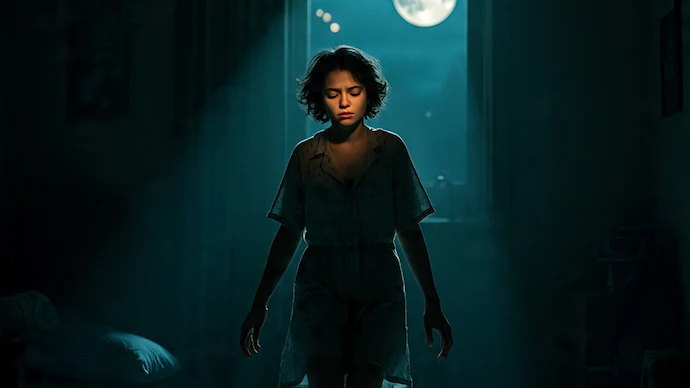
Sleepwalking and sleep talking affect millions, especially children, with common triggers identified. Experts urge awareness of risks and recommend safety measures to prevent harm.
It’s 2 a.m. The house is quiet, cloaked in the stillness of the night. Then, a shuffle. A door creaks. A child walks down the hallway, eyes wide open but fast asleep. Elsewhere, someone mumbles secrets in their sleep, unknowingly speaking aloud the dreams only their mind can see. Sleepwalking and sleep talking may sound eerie or amusing, but for millions, they’re a real part of nighttime behaviour and often misunderstood.